Med sync and delivery for independents

One sync date per patient, one route out the door by four.

PillRoute lines up a patient's maintenance medications on a single anchor date, then turns the day's will call bins into a sequenced driving route with a captured signature at every stop. Your technicians work one call list instead of chasing thirty scattered partial fills.

  • 412 independent stores dispensing on PillRoute
  • HIPAA aligned hosting with signed BAAs
  • Live on your counter in nine business days
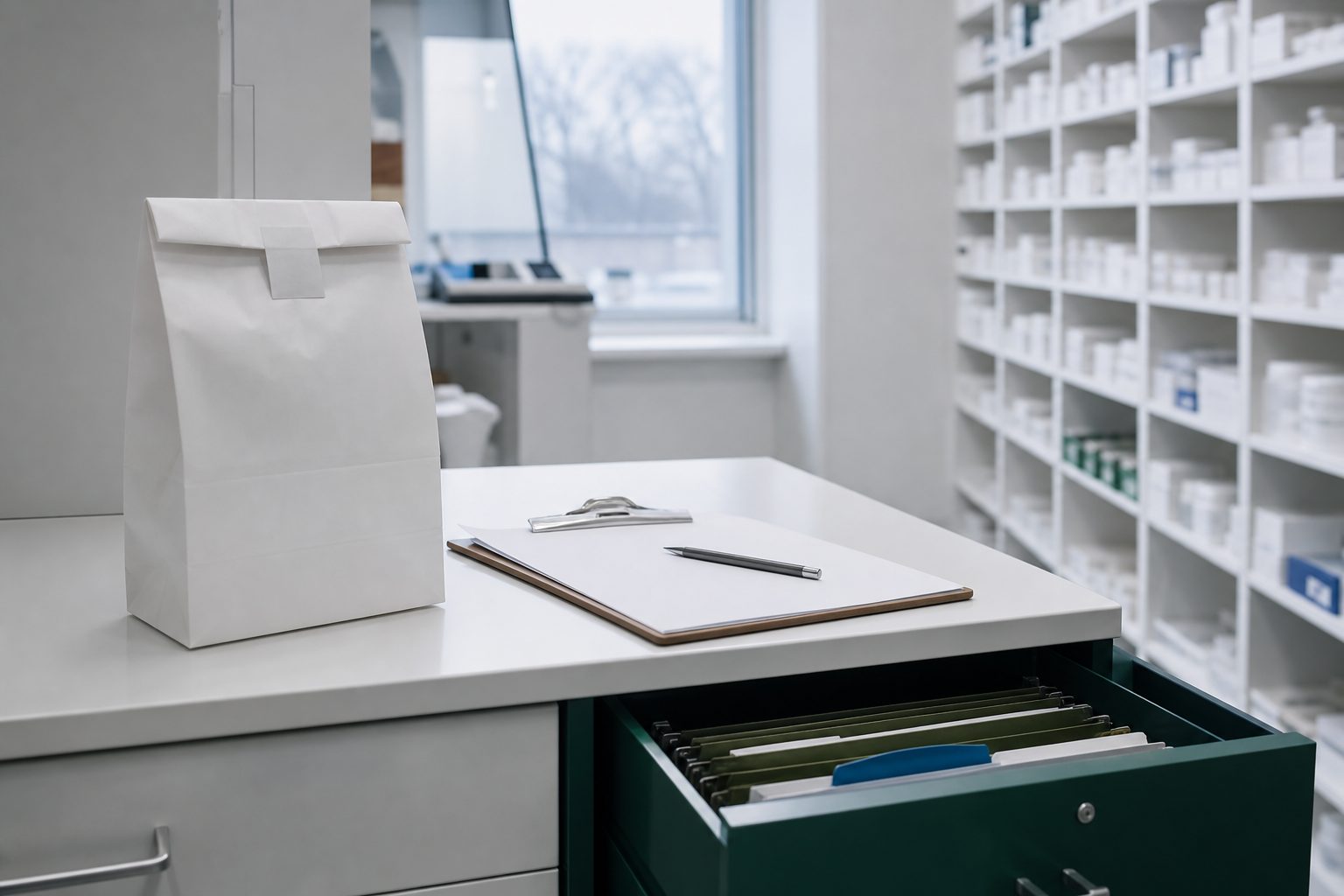
Community pharmacist organizing labeled prescription delivery bags on the counter of an independent neighborhood pharmacy
3:42 p.m. Median time the last tote leaves the counter across stores running a synced panel.
Where the afternoon goes

The counter does not lose an hour at once. It loses four minutes at a time.

Every owner we sit with describes the same shape of day: a fill queue that never lines up, a will call shelf that quietly turns into a write off, and a driver who leaves late with a tote nobody sequenced. Here is what those four habits actually cost.

Thirty due dates, thirty phone calls

A 900 patient maintenance panel spread evenly across the month puts roughly 42 outbound refill calls on the technician bench every single day. At four minutes a call, that is close to three hours of labor before one bag is packed.

About 14 tech hours a week

The will call shelf as a savings account

Prescriptions that sit past two weeks get reversed and restocked, and the labor that produced them is gone. Owners who joined us last year were writing off between $2,100 and $4,800 a month in maintenance fills nobody came back for.

$2,100 to $4,800 a month restocked

A route drawn on a sticky note

When the driver leaves at 3:40 with an unsorted tote, the day adds 11 to 19 miles of backtracking across the same neighborhoods. Over a year that is more than 3,000 miles of fuel, payroll and vehicle wear that never touched a patient.

3,000 wasted miles a year

Proof of delivery nobody can produce

A patient calls about a bag that never arrived and the only record is what the driver remembers. The fill gets replaced at your cost, and on brand maintenance therapy three of those a month is a serious number.

Replacement fills you already paid for
How it runs

From anchor date to captured signature, in four moves

PillRoute is built around the way appointment based dispensing actually works behind the counter, not around a generic task board. Each move hands clean work to the next one.

Set the anchor date

Pull a patient's active maintenance list, pick the day of the month that suits their pension check or their caregiver, and PillRoute calculates the short fill for every drug that is out of step. It writes the partial quantities, the days supply and the note your pharmacist in charge has to sign off on.

Work one call queue

Seven days out, the queue builds itself: who to call, what changed since last month, which prescriptions are out of refills and which prescriber has to be faxed. A technician clears the whole list in one sitting and the outcome of every call is logged against the patient.

Build the route

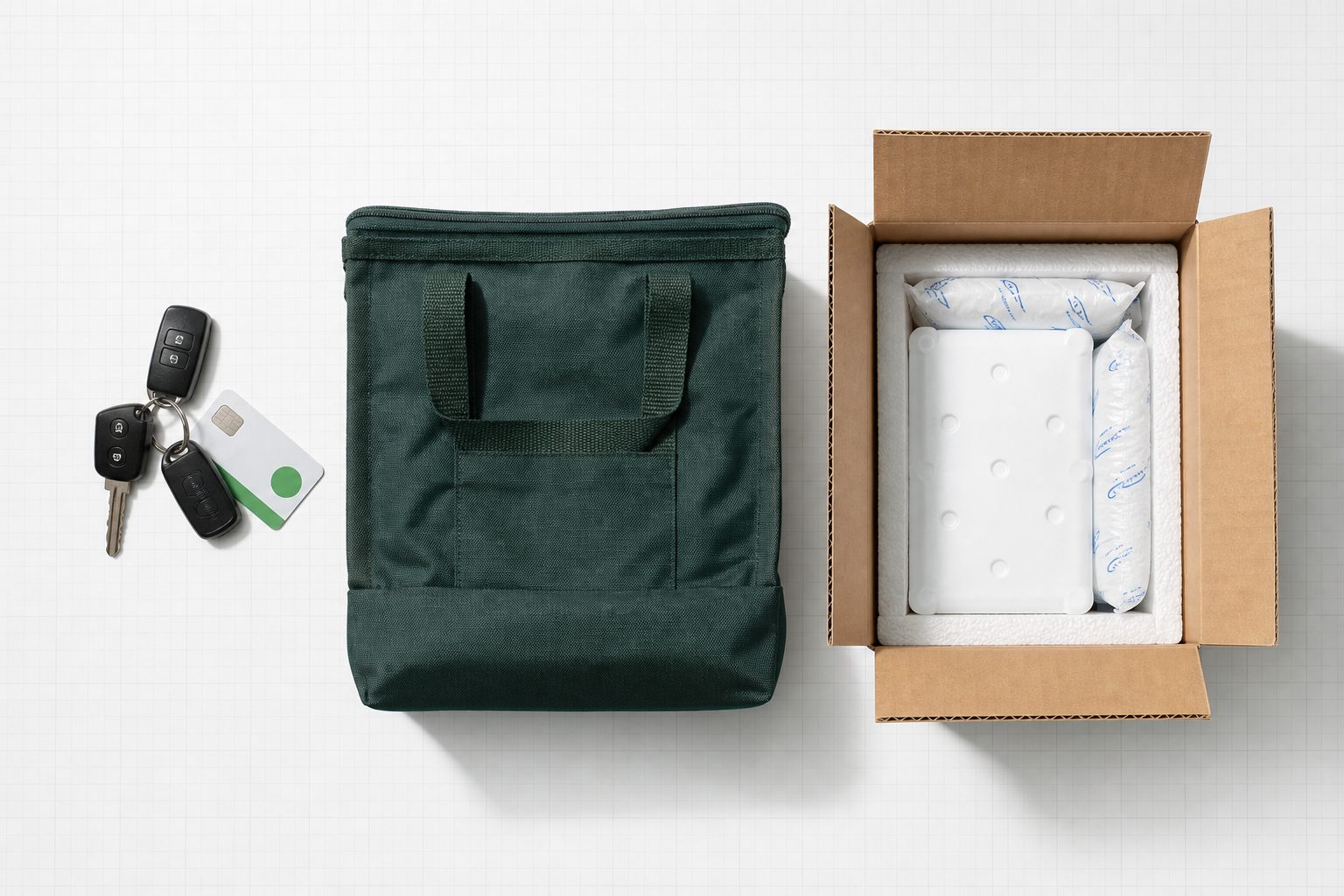
Bins move from the will call shelf into a driver manifest that is ordered by drive time, not by alphabet. Refrigerated items are grouped, controlled substances are flagged for a separate custody line, and the driver sees the stop count and the estimated return time before the van leaves.

Capture the signature

At the door the driver takes a signature on the phone, records who received the bag, and the timestamped record lands on the patient profile before the next stop. If nobody answers, the attempt is logged with a reason and the bin returns to the shelf with a follow up already scheduled.

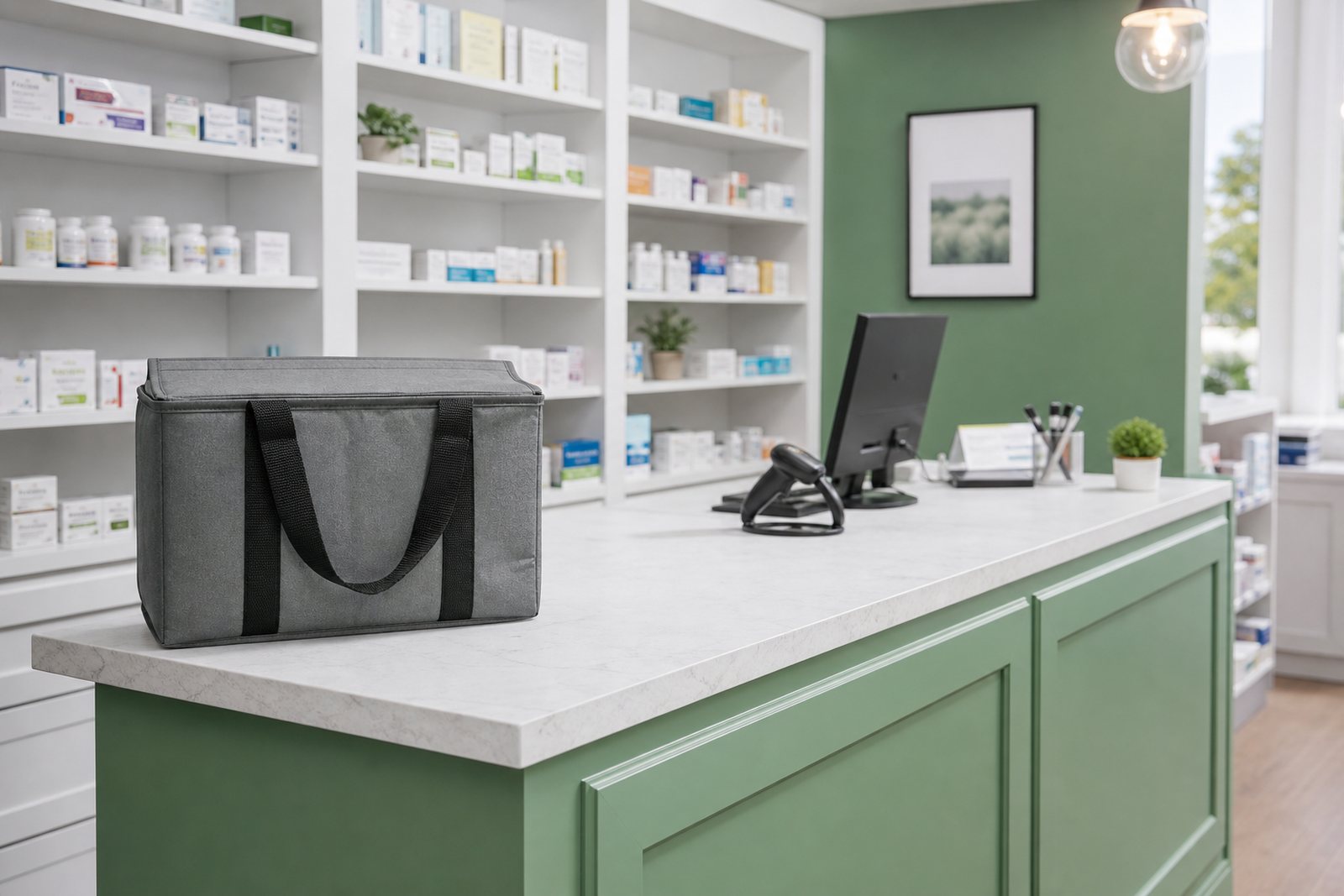
Interior counter of an independent community pharmacy with organized medication shelving and a delivery tote ready to load

Built beside working pharmacists.

Every screen in PillRoute was drafted at a counter during a real Tuesday rush, then rewritten after the technicians told us what got in the way. The sync call script, the short fill math and the custody line for controls all came out of those sessions.

Owners keep their own workflow. We fit around it.

On the bench

Six things PillRoute does that a spreadsheet never will

No modules you will never open. Every screen below is used by a technician or a driver on an ordinary weekday, and each one exists because a pharmacy asked for it.

Anchor date scheduler

Choose the day of the month a patient wants everything ready and PillRoute recalculates every drug in the profile to land on it. Partial quantities, days supply and the pharmacist sign off note are written for you.

Short fill math you can defend

The bridge quantity is calculated per prescription against remaining refills, day supply and plan limits, so nothing gets rejected as a refill too soon. Every short fill keeps an audit trail showing exactly why that number was dispensed.

Refill call queue

Seven days before the anchor date, the queue lists who to call, what changed on the profile and which prescriber needs a renewal request. Call outcomes, hold reasons and callbacks are stored against the patient, not on a legal pad.

Delivery route builder

Bins scanned off the will call shelf become a manifest ordered by drive time, with cold chain items grouped and controlled substances split onto their own custody line. The driver leaves with a stop count, a map and an honest return time.

Signature and chain of custody

The driver captures a signature, the name of the person who received the bag and an optional photograph of the doorstep, all timestamped and tied to the fill. Failed attempts record a reason and push the bin back to the shelf with a follow up already booked.

Adherence and PDC watch

Proportion of days covered is tracked per patient and per measure, with the gap list sorted by how much a single call would move the number. Owners use it to protect star ratings before the plan year closes, not after.

First ninety days

What actually moves once the panel is synced

These are medians across the 412 stores currently dispensing on PillRoute, measured between the month before onboarding and the third full month afterward. No cherry picking, and every store keeps its own numbers in an export.

94.1%

Average PDC on synced panels

When the whole profile lands on one date the patient stops running out of the cheap drug while the expensive one sits full. The call queue catches the gap a week early, which is where almost all of that gain comes from.

6.2 hrs

Technician time back each week

One structured call session replaces a day of scattered outbound calls, and the renewal faxes go out in a batch. Stores usually spend the hours they get back on vaccinations, adherence packaging or point of care testing.

$3,180

Less restocked inventory a month

Fills are produced against a confirmed appointment instead of a guess, so the will call shelf turns over in days rather than weeks. That is the median monthly drop in reversed maintenance claims across single store customers.

31%

Fewer miles per delivery day

Sequencing by drive time rather than by the order bins were packed removes most of the doubling back. Drivers report earlier finishes, and the fuel line on the profit and loss statement moves within two months.

From the dispensing bench

Owners and pharmacists in charge, in their own words

We asked three customers to describe the change without any help from us. They talk about totes, technicians and Tuesdays, which is exactly the point.

We tried med sync twice on our own and both times it died inside a month because nobody could keep the short fill math straight. PillRoute writes the bridge quantity, prints the note my staff pharmacist signs, and the queue tells my tech who to call on Monday. Our will call shelf used to hold about 190 bags on a Friday. Last week it held 41.

Dana Whitfield, PharmD Owner, Cedar Bluff Family Pharmacy, Knoxville, Tennessee

My driver used to take whatever was in the tote and figure it out in the parking lot. Now he scans the bins, gets a route in order, and the signature is on the patient profile before he pulls away from the curb. Two months in, he is back by 4:15 instead of after 5, and I stopped paying an hour of overtime four nights a week.

Raymond Ortega, RPh Pharmacist in charge, Alvarado Street Drug, Fresno, California

What sold me was the custody line for controls. Our previous setup had one signature field for the whole bag, which our auditor hated. PillRoute keeps the controlled item on its own record with its own signature and its own timestamp, and the report exports in a format the board inspector accepted without a single question.

Bethany Kolar Operations manager, Hollis Prescription Shop, Green Bay, Wisconsin
412 independent stores dispensing on PillRoute across 38 states
1.9 million prescriptions routed and signed for since the first store went live in 2021
9 days median time from first data pull to the first fully synced delivery day
Plans

Priced by how many counters you run, not by how many scripts you fill

Every plan carries the full product. There is no adherence upgrade, no per driver fee and no charge that grows the busier your month gets.

One Store

A single location with one delivery vehicle.

$69 per month

  • Unlimited synced patients and anchor dates
  • Refill call queue with prescriber renewal requests
  • One driver app seat with signature capture
  • Route building for up to 60 stops a day
  • PDC and adherence gap reporting
  • Email support answered by a pharmacist within one business day
Request a demo
Most chosen

Two Stores

Two counters sharing staff, inventory and a delivery run.

$149 per month

  • Everything in One Store, for both locations
  • Three driver app seats and shared route planning
  • Transfer aware sync so a patient can pick up at either store
  • Controlled substance custody line with separate signatures
  • Cold chain grouping and delivery exception reports
  • Onboarding call with a technician trainer for your staff
Book a bench walkthrough

Pharmacy Group

Three or more stores under one owner or one management company.

$299 per month

  • Everything in Two Stores, across every location you operate
  • Unlimited driver seats and multi vehicle route splitting
  • Group dashboard for sync rate, PDC and delivery performance
  • Role based access for owners, PICs, technicians and drivers
  • Scheduled exports to your accountant or your buying group
  • Named account contact and a quarterly operations review
Request a quote

All three plans are billed monthly in US dollars, with no setup fee and no annual commitment. Cancel at any time from your account and your data export is yours to keep.

Questions owners ask first

Straight answers before you give us an afternoon

One Store is $69 per month, Two Stores is $149 per month and Pharmacy Group is $299 per month, all in US dollars and all billed monthly. Every plan includes the anchor date scheduler, the refill call queue, route building, signature capture and adherence reporting. The larger plans add driver seats, extra locations and the group dashboard, never a feature that was withheld from the smaller plan. There is no setup fee, no per prescription charge and no annual contract to sign.

Counter to Curb

The magazine we write for the people working the bench

Counter to Curb reports on the daily work of independent community pharmacy, from med synchronization and adherence math to the delivery route and the rules around it. Three pieces from the current issue.

Read every article in Counter to Curb
Pharmacist arranging amber vials and weekly pill organizers on a white counseling counter beside a brass mortar and pestle Practical guide

How to Build a Med Sync Program in an Independent Pharmacy

Medication synchronization aligns a patient's chronic prescriptions to one anchor date. Here is the patient selection, the short fill math, the plan overrides and the call script that make it hold.

7 min read

Start a conversation

Bring us your worst Tuesday and we will walk it through with you

Tell us how many maintenance patients you carry, how many bags leave the counter on delivery days and what breaks first when someone calls in sick. We will show you the same screens your technicians would use, using a panel shaped like yours.

  • A 30 minute call with someone who has worked a dispensing bench
  • A short fill and cash flow model built from your own patient count
  • A written onboarding plan with dates, before you pay anything

Prefer email? Write to jimenezjulien42@gmail.com and a person answers, usually the same working day.

No card, no contract and no sales sequence. We reply within one business day, and if PillRoute is the wrong fit for your store we will say so and point you somewhere better. You can also email jimenezjulien42@gmail.com directly.